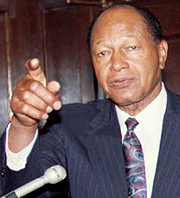

Bradley effect
From Wikipedia, the free encyclopedia
Jump to: navigation, search
The term Bradley effect, less commonly called[1] the Wilder effect, refers to a frequently observed discrepancy between voter opinion polls and election outcomes in American political campaigns when a white candidate and a non-white candidate run against each other.[2][3][4] Named for Tom Bradley, an African-American who lost the 1982 California governor's race despite being ahead in voter polls, the Bradley effect refers to a tendency on the part of white voters to tell pollsters that they are undecided or likely to vote for a Black candidate, when, on election day, they vote for his/her white opponent.[5]
One theory for the Bradley effect is that some white voters give inaccurate polling responses for fear that, by stating their true preference, they will open themselves to criticism. This effect is similar to people refusing to discuss voting choice at all. If you state you are undecided, you can avoid being forced into a political discussion with someone highly partisan. The reluctance to give accurate polling answers has sometimes extended to post-election exit polls as well. The race of the pollster conducting the interview may be a factor into voters' answers. Some pollsters believe that they do not receive deliberately false answers from white voters. The Bradley effect, these pollsters believe, is caused by pollsters' failure to account for general political leanings among voters who are undecided between Democrats and Republicans.


No comments:
Post a Comment