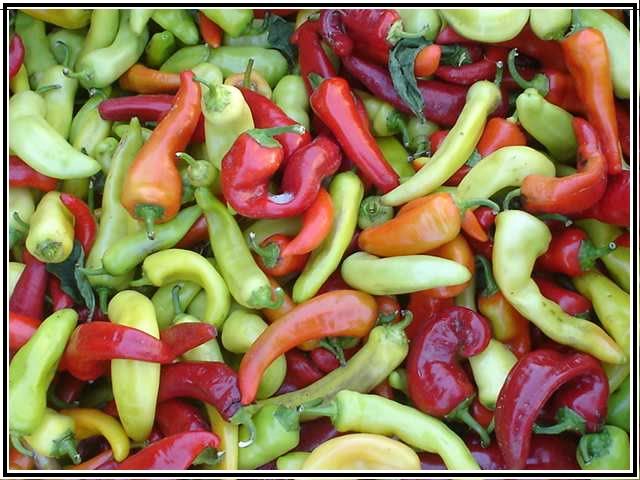
There has been so much talk in the news lately about Jalapenos, The little peppers have become impossible to buy in your average grocery store, especially on the east coast. You mention salmonella and the whole country starts treating the infected produce like the plague. I too have shunned the peculiar shaped pepper, but for a whole different reason, and not totally by choice (by the way I have a whole bag of Jalos in the fridge thanks to my father-in-law sending them from Cali via the Bro-In-Law)
I love salt and pepper squid. I use to have it for lunch once a week, despite knowing that I would be keeled over with stomach pain the following evening. I never really knew what about the dish didn’t sit well with me. The dish contained things I normally ate separately with no negative reaction; squid, oil, and peppers. I figured the stomach pain a small discomfort for such a taste sensation. After the restaurant I ordered the dish from closed down, I set out to learn how to make the dish. I was successful, but found the same digestive discomfort with the homegrown version. For a while I stopped eating the dish as I had grown weary of the risk reward factor.
So I recently cooked S&P squid. I happened to have all the ingredients available, and was looking to go a few weeks without eating red meat. I made the dish with a pepper other than the Jalapeno it usually calls for. The taste was slightly off but, I suffered no digestive issues. As I mentioned earlier, an unexpected shipment of jalapeños arrived at the house, so I made the dish again with the proper ingredients. BAM! I was keeled over with stomach pain a few hours later. DING DING! WE HAVE A SUSPECT!
Basically I have made the dish several times over the last two weeks, anytime I use Jalapenos I get sick. Any other pepper renders no ill reaction. The problem is, other peppers don’t quite complete the dish like Jalos do. I am saddened by these developments, but I will continue my quest for a Jalapeno substitute. There is no shortage of pepper species and with at least 2,500 new species of pepper being created each year, my perfect “Salt and Pepper Squid” Pepper is out there somewhere.
DID YOU KNOW…. (from wikipedia) The Scoville scale is a measure of the hotness or piquancy of a pepper. These fruits of the Capsicum genus contain capsaicin, a chemical compound which stimulates chemoreceptor nerve endings in the skin, especially the mucous membranes. The number of Scoville heat units (SHU) indicates the amount of capsaicin present. Some hot sauces use their Scoville rating in advertising as a selling point.
Scoville scale
Scoville rating
Type of pepper
15,000,000–16,000,000
Pure capsaicin[5]
8,600,000-9,100,000
Various capsaicinoids, such as homocapsaicin, homodihydrocapsaicin, and nordihydrocapsaicin
2,000,000–5,300,000
Standard U.S. Grade pepper spray[6], FN 303 irritant ammunition
855,000–1,041,427
Naga Jolokia [7][8][9][10]
350,000–580,000
Red Savina Habanero[11][12]
100,000–350,000
Habanero chili,[13] Scotch Bonnet Pepper [13]
100,000–350,000
Datil pepper, Capsicum chinense
100,000–200,000
Rocoto, Jamaican Hot Pepper [6], African Birdseye
50,000–100,000
Thai Pepper, Malagueta Pepper, Chiltepin Pepper, Pequin Pepper
30,000–50,000
Cayenne Pepper, Ají pepper [13], Tabasco pepper, some Chipotle peppers
10,000–23,000
Serrano Pepper, some Chipotle peppers
4,500–5,000
New Mexican varieties of Anaheim pepper,[14] Hungarian Wax Pepper[15]
2,500–8,000
Jalapeño Pepper, Guajillo pepper
1,500–2,500
Rocotillo Pepper
1,000–1,500
Poblano Pepper
500–2,500
Anaheim pepper [16]
100–500
Pimento[6], Pepperoncini
0
No heat, Bell pepper [6]
I love salt and pepper squid. I use to have it for lunch once a week, despite knowing that I would be keeled over with stomach pain the following evening. I never really knew what about the dish didn’t sit well with me. The dish contained things I normally ate separately with no negative reaction; squid, oil, and peppers. I figured the stomach pain a small discomfort for such a taste sensation. After the restaurant I ordered the dish from closed down, I set out to learn how to make the dish. I was successful, but found the same digestive discomfort with the homegrown version. For a while I stopped eating the dish as I had grown weary of the risk reward factor.
So I recently cooked S&P squid. I happened to have all the ingredients available, and was looking to go a few weeks without eating red meat. I made the dish with a pepper other than the Jalapeno it usually calls for. The taste was slightly off but, I suffered no digestive issues. As I mentioned earlier, an unexpected shipment of jalapeños arrived at the house, so I made the dish again with the proper ingredients. BAM! I was keeled over with stomach pain a few hours later. DING DING! WE HAVE A SUSPECT!
Basically I have made the dish several times over the last two weeks, anytime I use Jalapenos I get sick. Any other pepper renders no ill reaction. The problem is, other peppers don’t quite complete the dish like Jalos do. I am saddened by these developments, but I will continue my quest for a Jalapeno substitute. There is no shortage of pepper species and with at least 2,500 new species of pepper being created each year, my perfect “Salt and Pepper Squid” Pepper is out there somewhere.
DID YOU KNOW…. (from wikipedia) The Scoville scale is a measure of the hotness or piquancy of a pepper. These fruits of the Capsicum genus contain capsaicin, a chemical compound which stimulates chemoreceptor nerve endings in the skin, especially the mucous membranes. The number of Scoville heat units (SHU) indicates the amount of capsaicin present. Some hot sauces use their Scoville rating in advertising as a selling point.
Scoville scale
Scoville rating
Type of pepper
15,000,000–16,000,000
Pure capsaicin[5]
8,600,000-9,100,000
Various capsaicinoids, such as homocapsaicin, homodihydrocapsaicin, and nordihydrocapsaicin
2,000,000–5,300,000
Standard U.S. Grade pepper spray[6], FN 303 irritant ammunition
855,000–1,041,427
Naga Jolokia [7][8][9][10]
350,000–580,000
Red Savina Habanero[11][12]
100,000–350,000
Habanero chili,[13] Scotch Bonnet Pepper [13]
100,000–350,000
Datil pepper, Capsicum chinense
100,000–200,000
Rocoto, Jamaican Hot Pepper [6], African Birdseye
50,000–100,000
Thai Pepper, Malagueta Pepper, Chiltepin Pepper, Pequin Pepper
30,000–50,000
Cayenne Pepper, Ají pepper [13], Tabasco pepper, some Chipotle peppers
10,000–23,000
Serrano Pepper, some Chipotle peppers
4,500–5,000
New Mexican varieties of Anaheim pepper,[14] Hungarian Wax Pepper[15]
2,500–8,000
Jalapeño Pepper, Guajillo pepper
1,500–2,500
Rocotillo Pepper
1,000–1,500
Poblano Pepper
500–2,500
Anaheim pepper [16]
100–500
Pimento[6], Pepperoncini
0
No heat, Bell pepper [6]


No comments:
Post a Comment